
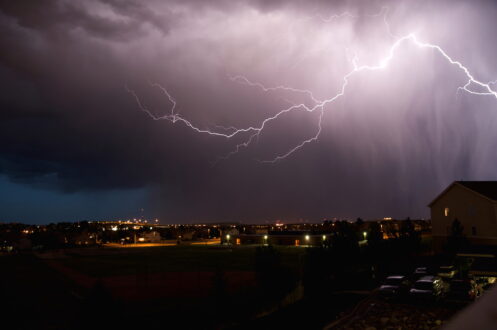
Modern homes rely on more electronics than ever, such as smart TVs, gaming systems, mobile devices, computers, routers, and high-efficiency appliances. While power strips and surge protectors may look similar, only one is designed to safeguard your electronics and home from damaging electrical surges. If protecting your electronics is important, you can take this a step further with whole-home surge protection.
What Is a Power Strip?
A power strip provides multiple outlets, allowing you to plug in several items simultaneously. This is especially useful in parts of the home with limited wall outlets, such as behind entertainment centers or under desks. Many power strips include a manual on/off switch that lets you cut power to all the plugged-in items at once, which can help reduce energy use and improve convenience.
However, it’s important to understand that most power strips do not offer true surge protection. Some may advertise limited protection, but this typically means they contain a basic component like a metal oxide varistor (MOV), which can absorb small voltage spikes. These components are not designed to handle large surges, such as those caused by lightning strikes or significant power fluctuations. Over time, even minimal protection can degrade without any clear indication.
What Is a Surge Protector?
A surge protector strip provides multiple outlets like a standard power strip, but with the added benefit of shielding connected devices from damaging voltage spikes. These spikes can come from lightning strikes, utility grid disruptions, or large appliances cycling on and off in your home. Surge protectors are designed to prevent these fluctuations from reaching your electronics, preventing damage to sensitive components.
What sets a surge protector apart is its robust suppression system. This often involves multiple MOVs arranged to allow them to respond faster, handle higher energy loads, and dissipate heat more effectively. The quality and configuration of these components directly affect how well a surge protector performs. Higher-end models may even isolate MOVs thermally to reduce damage from heat if the device absorbs a large surge. These design differences make surge protectors far more reliable for safeguarding sensitive or expensive electronics.
Surge protectors are rated in joules, which measure the total amount of energy the device can absorb before its protection wears out. A higher joule rating generally means longer-lasting and more capable protection. It’s also worth looking for models with indicator lights telling you the strip is still functioning. Once the MOVs wear down, something that can happen after a significant surge or over time, the device may still pass power through to your electronics, but without any protection. Some models also include protection for data lines, coaxial cables, or USB ports, offering broader coverage for home theater systems or network setups.
Power Strip vs. Surge Protector: Core Differences
A good use case for a power strip is lamps or other low-value items. However, you should always have surge protection for pricey electronics. You can expect basic durability from a power strip, but it’s worth paying more to safeguard your valuable devices.
Whole-Home Surge Protection vs Plug-In Units
Plug-in surge protectors are a practical option for safeguarding individual electronics. While these units offer a layer of defense against small, localized surges, they can’t stop the most dangerous voltage spikes that originate from outside your home and travel through the main electrical line. That’s where whole-home surge protection comes in.
Whole-Home Surge Protection
We suggest whole-home surge protection to protect everything in your home around the clock. Whole-home surge protectors are hardwired into your home’s electrical panel to stop excess voltage before it spreads through your wiring and reaches your outlets. Unlike plug-in devices, which respond to surges only after they’ve entered your home’s circuits, a whole-home system intercepts that energy at the source.
Whole-home surge protection guards everything in your house at once, not just what’s plugged into a particular strip. It protects the appliances that keep your home running. This includes your refrigerator, washer and dryer, HVAC system, and smart thermostats. It also protects your lamps and even smaller items plugged into standard outlets. Any device connected to your home’s electrical system benefits from this level of protection. Surge damage doesn’t always mean an instant failure. It can quietly shorten the lifespan of appliances or cause intermittent issues that are hard to diagnose until something breaks down completely.
How Whole-Home Surge Protectors Are Installed
We install whole-home surge protection devices directly at your home’s main electrical panel. These devices are typically about the size of a paperback book, with a durable casing and indicator lights that show whether the system is actively protecting your home. Depending on the model, they may be mounted inside the panel or just beside it, and they’re designed to integrate cleanly with your existing setup without taking up much space.
During installation, we assess your panel’s capacity, determine the best placement for the surge protector, and confirm it meets local code requirements. Some homes may benefit from additional layers of protection, such as secondary surge protectors at subpanels or in-line devices for critical circuits like the ones in a home office. In most cases, however, a single unit at the main service entrance provides substantial protection for the entire home.
Because these units are installed permanently, they offer a more robust and long-lasting solution than plug-in strips. Many come with replaceable modules and indicator lights to show when the system no longer offers protection, giving you peace of mind that your electronics are safe.
Benefits of Whole-Home Surge Protection
Whole-home surge protection offers a comprehensive defense against electrical damage, beyond what plug-in units can provide. It’s a proactive step that safeguards your devices and your home’s wiring.
Broader Coverage
One of the most significant advantages is full-home coverage. Instead of needing separate plug-in surge protectors for every room or outlet, a panel-based system stops voltage spikes before they reach any part of your home.
Protection From Major Surges
Whole-home surge protectors are better equipped to handle high-energy surges from lightning strikes or when the power comes back after a storm. These scenarios often overwhelm plug-in units.
Appliance and Equipment Longevity
Even small surges can wear down expensive appliances and HVAC systems over time. Whole-home protection limits this slow, silent damage by stabilizing incoming voltage across all circuits.
Protects Your Home’s Wiring
Voltage spikes don’t just damage the devices you plug in; they can also compromise the wiring behind your walls. Over time, repeated surges may degrade insulation, loosen connections, or cause arcing, which can lead to costly repairs or electrical hazards. A whole-home surge protector reduces the strain on your home’s electrical system.
Contact Your Local Experts
At John Henry's Plumbing, Heating, Air, and Electrical, we have been serving the residents of Lincoln, NE, and the surrounding areas since 1996. You can count on us to install whole-home surge protection in your home. We can also help you with rewiring, panel upgrades, and installing modern necessities like EV charging stations and generators. Contact us today to schedule an appointment with one of our experienced electricians.