
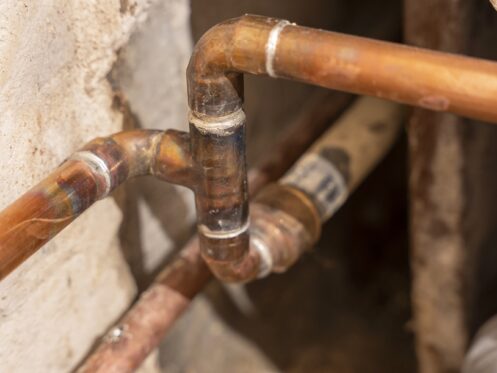
The definition of an “old” home can be subjective. However, it’s usually considered one that’s at least 50 years old. As charming as aging Nebraska houses are, they can have many plumbing problems, particularly if the system hasn’t been fully updated. Understanding the warning signs that the pipes are failing allows you to make informed decisions to protect your home.
Why You Shouldn’t Ignore Signs of Pipe Failure
Old pipes are particularly worrisome due to the potential for water damage and contamination. They could crack or burst, leading to serious problems like structural damage. It could also result in mold growth, which can start within 24 to 48 hours. Hidden leaks are especially concerning, as they could go unaddressed for a significant amount of time. This allows the pipe issues and corresponding water damage to both continue to worsen. There are many signs that could indicate that your plumbing pipes are failing and need prompt attention.
Slow Drains and Frequent Clogs
Clogs and slow-draining water are undoubtedly frustrating. They usually occur due to the wrong items going down drains, such as vegetable scraps, coffee grounds, and oil. This is a common problem in systems of all ages, but it’s one that can easily happen in older pipes. The reasoning varies, ranging from mineral buildup to a rough interior.
Homeowners can clear some clogs by using a plunger, but this doesn’t fix one of the contributing underlying causes: the age of the pipes. If the clog doesn’t clear, avoid using chemical drain cleaners, as they often cause more harm than good. They may even worsen your pipe’s condition. Contacting our team is the best option. We can use methods like hydro jetting to clear the clog safely and effectively.
Low Water Pressure
Outdated fixtures, clogs, and mineral buildup are only a few reasons for low water pressure in older homes. A hidden leak is another potential cause, which could be a strong possibility if the pressure problems are happening in multiple fixtures simultaneously.
In some cases, sediment and aging pipes can also affect connected systems, including your water heater. If you notice inconsistent hot water along with other plumbing issues, professional inspection is essential.
Discolored Water
If your water is reddish or brown, it may be a sign that your galvanized iron pipes are in rough shape. When the pipes age, rust can flake off their interior, landing in your water and discoloring it in the process. This issue will continue until the pipes are replaced.
Strange Noises
Unusual noises coming from your plumbing system are one of the most common indicators that your old pipes are failing. You may hear groaning, creaking, banging, or rattling, especially while using the water or right after.
Frequent Need for Repairs
The older your plumbing system gets, the more repairs it usually needs. However, you still shouldn’t require a repair more than once every year or two. If you need repairs more often, especially if it’s for the same type of issue, your pipes are likely failing and need replacing.
Age
The age of your plumbing pipes alone can indicate that they’re failing. Plumbing systems usually last decades. However, there are many factors that can affect longevity, including the pipe’s material, the maintenance frequency, and the climate. If they’re already several decades old, consider replacing them before the problems become even more serious.
Visible Corrosion
Visible corrosion on plumbing pipes is a significant issue, especially if the pipes are old. It means their structural integrity is compromised. This could lead to several serious problems, from water contamination to bursting.
Can the Climate Increase Risk of Plumbing Problems?
The local climate can contribute to plumbing issues. The average January low temperatures in both Lincoln and Omaha are in the teens, which already puts you at risk for burst pipes. Throw the age of the pipes into the mix, and the potential increases dramatically. However, it’s not just winter when you have to worry; bursting pipes and leaks can happen at any point throughout the year.
Mold growth is another serious issue. The average July highs are in the upper 80s in Lincoln and Omaha, with both cities getting humid once summer approaches. It’s the perfect recipe for mold growth. But this isn’t just a summer issue. Under the right circumstances, mold can grow anytime, even in winter.
Can I Repair or Replace My Plumbing Pipes Myself?
You should never attempt to repair or replace your plumbing pipes on your own. It could result in personal injury, such as lacerations. You may also inadvertently further damage the system, especially since the pipes are already in a vulnerable condition. Your pipes need professional attention from licensed plumbers who are experienced in noticing and addressing issues in systems of all ages.
What Should I Do When I Notice Signs the Pipes Are Failing?
It’s important to schedule an appointment immediately with John Henry's Plumbing, Heating, Air, and Electrical. Plumbing problems don’t improve on their own. They worsen over time, especially if you continue to use the system as usual.
Is It Better to Repair or Replace My Problematic Plumbing Pipes?
Usually, whether you should repair or replace your plumbing pipes depends on several factors. However, if they’re already several decades old and have been giving you trouble, it’s best to replace them. There’s likely significant wear and tear throughout the system, which means repairing the pipes may not offer the safest and most effective results. We’ll assess your pipes to make a final determination.
What Are the Benefits of New Plumbing Pipes?
There are many advantages of replacing your old plumbing pipes in Nebraska, including healthier, safer, and better-tasting water. You’ll also enjoy improved water pressure, which is especially fantastic in showers. One of the biggest benefits is the decreased risk of problems. New pipes are durable and designed to withstand the local climate and modern water usage needs. You can have peace of mind that your plumbing system will work reliably for many years.
If you’re planning on selling your Nebraska home in the future, replacing your old plumbing pipes now could be a major benefit. You can make the most of the new system now, but when you decide to put your home on the market, it could be a huge selling point. Potential homebuyers want dependable home systems, including plumbing, that don’t involve making repairs or upgrades anytime soon. If your old plumbing system remains, they may use it as a negotiating tool to try to get a lower price for your home.
How Long Does It Take to Replace Old Plumbing Pipes?
The process usually takes anywhere from a couple of days up to a week. However, it depends on several factors, including the size of your home and the complexity of the project. Coming across any problems during the job may also cause some delays. Our plumbers can assess your system and give you an estimate of how long the project may take.
Don’t allow your old plumbing pipes to continue causing you trouble. John Henry's Plumbing, Heating, Air, and Electrical in Lincoln and Omaha, NE, offers high-quality plumbing services, including leak detection, replacements, inspections, and repairs. Call today to schedule an appointment or book services online through our website.