Nebraska winters bring extended cold, strong winds, and frequent temperature fluctuations. Your thermostat settings can affect comfort, energy costs, and system reliability. The right settings help maintain warmth without excessive heating bills or placing strain on equipment. Many homeowners wonder which thermostat temperature works best during a Nebraska winter. John Henry's Plumbing, Heating, Air, and Electrical in Lincoln, NE, wants to help our customers understand how to set their thermostats for maximum comfort and efficiency.
Daytime Thermostat Settings For Nebraska Winters
Most energy professionals recommend setting thermostats to around 68 degrees Fahrenheit during the day in winter. This temperature setting helps to balance comfort and efficiency in cold-climate regions like Nebraska. Homes with proper insulation often feel more comfortable at this setting.
Nebraska weather can increase heat loss through walls, windows, and doors. Wind chill intensifies drafts and uneven heating. Some homes may require slightly higher settings to maintain consistent comfort.
Homeowners should start at 68 degrees Fahrenheit and adjust gradually as needed. Sudden increases force heating systems to run longer without warming spaces faster. Gradual adjustments support efficient operation and consistent comfort.
Programmable and smart thermostats can also help maintain steady daytime temperatures automatically. These devices reduce manual adjustments and can prevent unnecessary energy usage. We can help you select the best programmable or smart thermostat for your system and home.
Ideal Nighttime Thermostat Settings
Lowering the thermostat at night reduces energy use without sacrificing comfort. Cooler indoor temperatures support better sleep for many people. Most experts recommend nighttime thermostat settings between 60 and 65 degrees Fahrenheit.
Nebraska winter nights are freezing, so lowering the settings reduces heat loss during the night. You can add warm bedding and layered blankets help maintain a comfortable sleep.
You should avoid turning heating systems off overnight. Extreme temperature drops strain equipment and increase the risk of frozen pipes. Consistent nighttime setbacks protect both comfort and system reliability.
Thermostat Settings When You’re Away From Home in Winter
Lower thermostat settings during absences reduce heating costs. Even short workday absences create a measurable energy savings. Recommended away settings typically range from 55 to 60 degrees Fahrenheit.
Nebraska homes should never drop below 55 degrees Fahrenheit during winter. Lower temperatures increase the risk of frozen pipes during prolonged cold periods. Maintaining minimum heat protects plumbing and building materials. You should avoid frequent thermostat changes that overwork your system.
How Nebraska Weather Influences Thermostat Decisions
Nebraska experiences sudden cold fronts that drop temperatures rapidly. Strong winter winds increase heat loss through small gaps. Drafts cause discomfort even at higher thermostat settings.
South-facing rooms often warm naturally during sunny winter days. Shaded rooms may remain colder. Your thermostat strategy should account for Nebraska’s changing weather throughout winter.
Balancing Energy Savings and Comfort in Winter
Raising thermostat settings increases heating costs. Even minor adjustments can impact your monthly energy bills. Lower settings reduce furnace runtime and energy use.
Your home’s comfort depends on a few factors, including insulation, airflow, and humidity, not temperature alone. Sealing air leaks and improving insulation reduces your home’s reliance on higher heating. These improvements support consistent comfort throughout your home.
Layered clothing also helps maintain warmth indoors. Simple adjustments reduce the need to set the thermostat higher during extreme cold.
How Humidity Affects Winter Thermostat Settings
Indoor humidity plays a significant role in how warm your home feels during the winter. Dry air makes rooms feel cooler, even when the thermostat settings stay the same. Nebraska winters often bring very low indoor humidity levels.
Maintaining proper humidity allows you to stay comfortable at lower thermostat settings. Balanced humidity helps your body retain heat more effectively. This reduces the need to raise the thermostat during cold weather.
Whole-home humidifiers or portable units can improve indoor comfort during winter. Proper humidity also protects your wood flooring, furniture, and trim from drying out. Managing humidity supports comfort while helping control heating costs.
Common Winter Thermostat Mistakes
Many homeowners increase thermostat settings, hoping for faster heating. Thermostats control temperatures, not heating speed. Adjusting the thermostat to higher settings will only increase runtime.
Frequent manual adjustments reduce system efficiency. Consistent schedules support proper system operation, and stable settings help extend your system’s lifespan, helping you protect your investment.
How Heating System Type Affects Thermostat Settings
Different heating systems respond to Nebraska winters in different ways, especially during harsh Nebraska winters. Understanding your system helps prevent comfort issues and unnecessary energy use.
Gas furnaces heat homes quickly and respond well to moderate temperature setbacks. These systems recover faster than most alternatives, making them flexible for daytime and nighttime adjustments. Many Nebraska homes rely on gas furnaces for this reason.
Heat pumps behave differently in extreme cold conditions. They operate most efficiently when you avoid large thermostat fluctuations. Smaller setbacks help heat pumps maintain steady comfort without excessive runtime during recovery periods.
Boiler systems provide radiant heat that warms surfaces rather than air. These systems respond slowly to thermostat changes and perform best with consistent temperature settings. Sudden adjustments often lower efficiency and comfort.
Older heating systems may struggle with frequent thermostat changes. Gradual adjustments protect internal components and reduce unnecessary wear and tear. Professional inspections help identify system limitations and optimize opportunities.
The Importance of Heating Maintenance For Temperature Control
Heating maintenance plays a critical role in maintaining stable indoor temperatures during winter. Well-maintained systems deliver heat more evenly and respond accurately to thermostat settings.
Annual maintenance improves efficiency and reliability during prolonged cold weather. Technicians inspect burners, heat exchangers, and airflow components to support consistent temperatures throughout your home.
Dirty air filters often cause uneven heating and frequent cycling. Restricted airflow forces systems to work harder, while reducing comfort. Regular filter changes can help improve temperature consistency and performance.
Maintenance also ensures your thermostat reads temperatures accurately. Calibration issues can make rooms feel colder or warmer than expected. Professional service corrects these issues before winter conditions worsen.
Smart Thermostats and Winter Efficiency
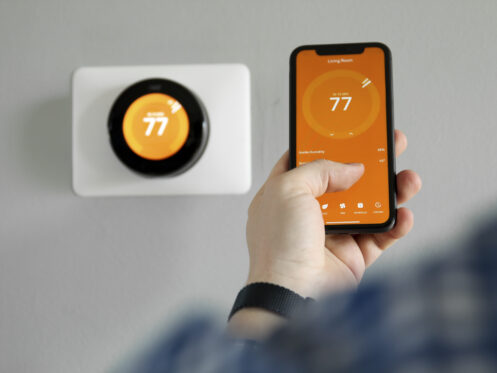
Smart thermostats offer advanced control during Nebraska winters. These devices learn household routines and adjust temperatures automatically based on usage patterns. Automation reduces wasted energy without sacrificing comfort.
Many smart thermostats monitor outdoor temperatures and system performance. They adapt settings during extreme cold to maintain stability. This feature proves especially useful during sudden cold snaps.
Remote access allows homeowners to adjust settings from anywhere. Sudden weather changes no longer require manual intervention at home. This flexibility improves comfort and protects heating systems.
You can also access energy reports that reveal patterns you may overlook. These insights help refine thermostat schedules over time. Better awareness leads to lower winter energy bills.
Keep Your Home Comfortable With the Correct Thermostat Settings
Nebraska winters place heavy demands on home heating systems. Proper thermostat settings help balance comfort, safety, and efficiency throughout the season. Small, thoughtful adjustments make a measurable difference. Daytime, nighttime, and away settings should all work together. Insulation, humidity control, and maintenance support reliable performance. Smart thermostats simplify temperature management during unpredictable weather. Allow our professionals to help you make the right changes and adjustments for better temperature control this winter.
For dependable winter comfort and expert guidance, trust John Henry's Plumbing, Heating, Air, and Electrical for reliable heating and temperature control all season long in Lincoln, NE.